


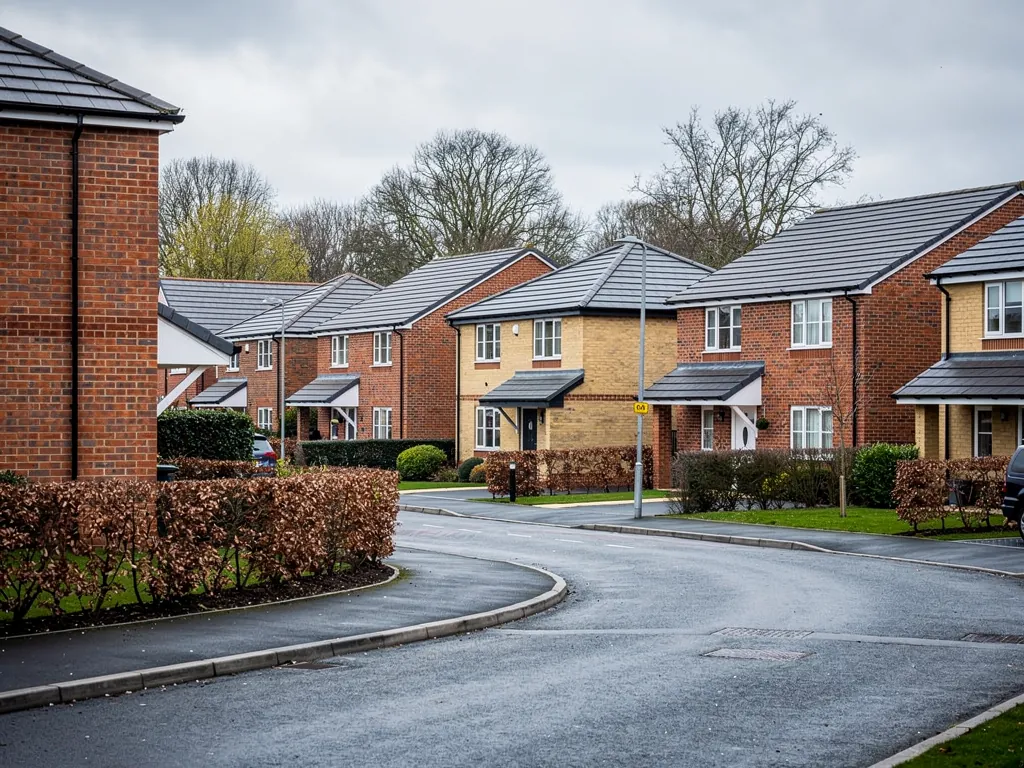
Chapter 1: Why do slates keep slipping on our red brick terrace in Overton?
What we find
On the nineteenth-century cottages, each slate hangs from a single pair of iron nails driven into a batten. Iron rusts. Over a century or more the nail shank thins where it passes through the slate, until the weight of the slate and a few winters of frost are enough to pull it free. Roofers call this nail sickness, and it tends to spread across a slope at about the same rate, because every nail on that roof is the same age.
You may notice a slate lying in the garden or on a path, a gap that shows the dark felt or bare batten beneath, or a ceiling stain after heavy rain. A slate that has dropped is only the one you can see. Neighbouring slates on the same course are often hanging by a thread, and a gust can take several together.
What we fix
We look at the whole slope from a ladder or scaffold tower, then lift a few slates to see how far the nails have gone. If the slates are sound and only the fixings have failed, they can be re-hung on stainless nails or on hooks that clip over the batten, a combination that outlasts the old method. Cracked ones are swapped for reclaimed slate of the right size and thickness, so the roof keeps its character.
Your fixed quote follows the survey, but as a guide, UK roofers typically charge between £100 and £250 in labour to replace one slate, the slate itself costs £5 to £25, and hiring a tower can add £300 to £800. Where the slate itself is delaminating, we say so plainly. Our slate roofing page sets out when repair stops making sense.
