


Chapter 1: Why are slates sliding off our Edwardian house on Basingstoke Road?
What we find
A slate is held by nails driven through two holes near its top edge, and the nail heads are hidden under the slate course above. Iron nails rust over a hundred years. The rust swells, snaps the nail shank or enlarges the hole, and the slate loses its grip and slips down a few centimetres, leaving a gap like a missing tooth. Roofers call this nail sickness, and it tends to spread across a slope at once because every nail on the roof is the same age.
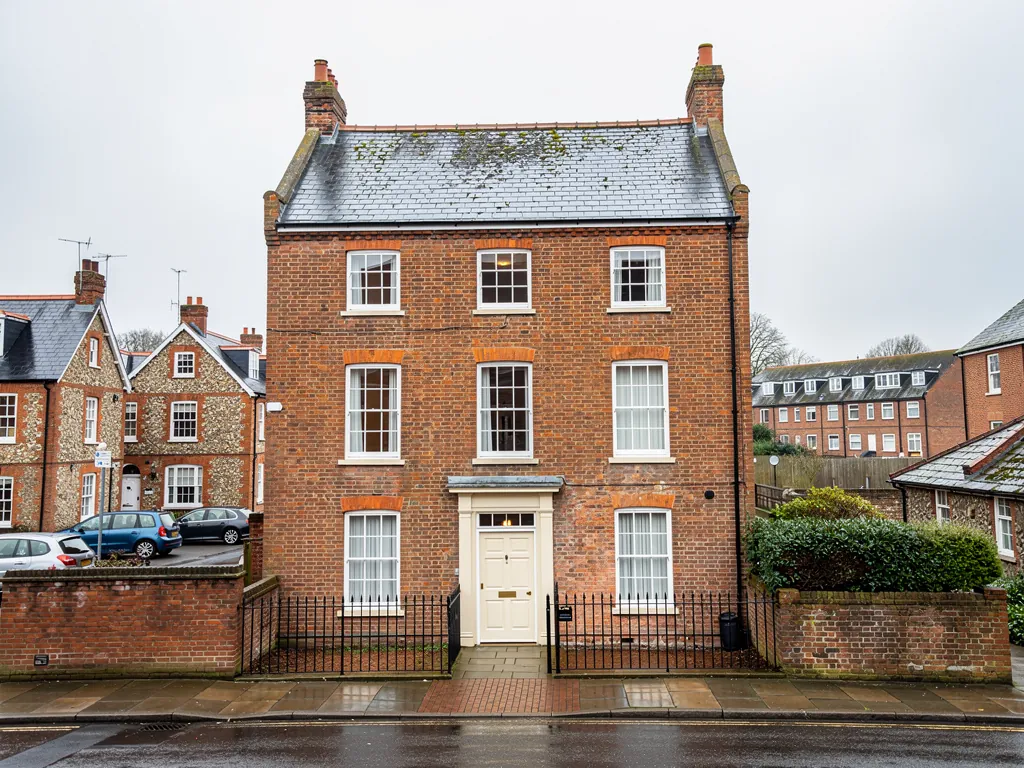
From the road you notice slipped slates hanging at an angle, or slate fragments in the border below. Indoors, a stain high on a bedroom wall or a drip into the loft after a westerly gale is a typical warning. On a house built from Swain kiln brick, the walls themselves may be sound while the roof above has been quietly failing for years, so the damage often hides until the plaster blisters.
What we fix
Our first job is to find out whether the slates or only the fixings have gone. We inspect from a ladder and by hand, tapping slates to listen for a dull note that means a crack. If most of the slates are sound, we strip the slope, keep every good slate, and re-fix with copper or stainless steel nails, which will not rust through again. Missing slates are matched from reclaimed stock to the same thickness and colour.
A full slope can be re-slated without disturbing the whole roof, which keeps cost down. UK cost guides give £120 to £180 a square metre for natural slate and £90 to £130 for the man-made kind. A single slate repair is reported at £100 to £250 in labour. Your written price is fixed after we have photographed your own roof. More on this is under slate roofing.
